America Has Been Sending Wake-Up Calls for 26 Years

America Has Been Sending Wake-Up Calls for 26 Years β€” 'It Won't Happen to Me' Is Why Most Women Aren't Listening | SurvivElle
Major US Disasters 2000-2026
πŸ‡ΊπŸ‡Έ Strategy & Preparedness

America Has Been Sending Wake-Up Calls for 26 Years β€” "It Won't Happen to Me" Is Why Most Women Aren't Listening

Affiliate Disclosure: This post contains affiliate links. I may earn a small commission on purchases at no extra cost to you. Full disclosure β†’

The question is not whether a disaster will affect your life. Twenty-six years of American history have already answered that question β€” loudly, repeatedly, and without apology. The only question that remains is whether you will be ready when it does.

I am not writing this post from the outside looking in. I am writing it as a Native New Yorker who lived through two of the most significant disasters on this list firsthand β€” and who spent years afterward telling herself the same lie that millions of women tell themselves every single day: it won't happen again. And even if it does β€” I'll be alright. It's New York.

That lie almost cost me. Let me tell you why β€” starting from the beginning.

2001 β€” September 11th: The Day That Changed Everything

September 11, 2001
Terrorist Attacks β€” New York City, Washington D.C., Shanksville PA
The deadliest attack on US soil since Pearl Harbor. Nearly 3,000 lives lost. $55 billion in physical damage. $123 billion in economic impact. Every American household felt the ripple effects for years.
πŸ’€ 2,996 lives lost
September 11 2001 β€” New York City

September 11, 2001 β€” A morning that changed everything.

I was fast asleep when the world changed. I worked the night shift in Manhattan, so when the towers fell I was snug as a bug in my bed on Staten Island with my two dogs β€” completely unaware that the skyline I could see from my borough was burning.

What woke me was not an alert. There was no alert. What woke me was the sound β€” a wall of sirens unlike anything I had ever heard β€” and then the smell. Smoke. Dense, thick, covering all five boroughs like a fog that had no intention of lifting. I remember standing in my doorway thinking this felt like a movie. The Twilight Zone. Something cinematic and impossible that could not actually be happening in real life.

My mother worked in midtown β€” the 20s, near Madison Avenue. I had no idea if she was safe. Information was not what it is today. There was no Twitter, no push notifications, no way to know in real time what was happening three miles across the water. The not-knowing was its own kind of terror.

And here is the thing I will never forget about that time β€” and maybe this will sound strange β€” but I wish we could have held onto what came after for longer. The unity. All five boroughs, all of New York City, pulling together in a way I have never seen before or since. The sorrow and the love braided together into something that felt almost sacred. New York rebuilt. New York grieved. New York kept moving β€” because that is what New York does.

But 9/11 planted a seed in me. For the first time in my life I thought seriously about what it means to be self-sufficient. What it means to not depend on a system that can collapse in a single morning. That seed was real. And then β€” like most seeds that get planted in moments of crisis β€” I let it sit unwatered. Because in the back of my mind, a familiar voice crept back in: Nothing like that could ever happen again. Not here. Not to me.

2003 β€” The Northeast Blackout: 45 Million People. Zero Warning.

August 14, 2003
Northeast Blackout β€” US & Canada
A software malfunction triggered a cascading power failure that knocked out electricity for 45 million Americans and 10 million Canadians. The second-largest blackout in US history. Costs ranged from $4.5 to $8 billion in lost wages and economic disruption alone.
⚑ 55 million people affected
Northeast Blackout 2003

August 14, 2003 β€” 55 million people. Zero warning.

I was running a few minutes late to work at a lab in Manhattan β€” I had to stop at the post office to drop off a package. Running late turned out to be exactly what I needed that day, though I did not know it yet.

And then β€” wooommm. That is the only way I can describe it. The sound of electricity leaving. Like something enormous exhaling all at once. The lights died. The hum of the city β€” that constant, invisible hum you never notice until it is gone β€” disappeared. And it did not come back.

I did not panic. Something shifted in me and I tuned into what I can only describe as my sixth sense β€” that deep, calm intelligence that lives beneath the noise of everyday life. I navigated my way back to Staten Island on instinct and adrenaline, moving through a city that had suddenly gone quiet in a way cities never go quiet. No traffic signals. No ATMs. No open stores. No information.

I was lucky. Where I lived had a backup power system and my lights were back within two hours. For millions of others it was one, two, three days in the dark. And here is the thought that stopped me cold then and still stops me cold now: this blackout stretched from New York to Canada to the Midwest. One software glitch. One cascading failure. Fifty-five million people plunged into darkness with absolutely no warning whatsoever.

Puerto Rico lost power for far longer after Hurricane Maria. Which brings me to something I want you to really sit with for a moment.

⚑ Quick Question β€” Think About This
After Hurricane Maria, how long did Puerto Rico go without power?
Take a guess before you scroll. Be honest with yourself.
Puerto Rico blackout darkness 2017

Puerto Rico β€” 328 days without power. 3.3 million Americans.

Jamaica island aerial view

Jamaica β€” June 5, 2026. An entire island of 2.8 million people went dark at once.

328 days. Nearly a year without power. And Puerto Rico is part of the United States. Now ask yourself β€” honestly β€” what would your household look like on Day 3 without electricity? Day 7? Day 30? Because for 3.3 million Americans in 2017, that was not a hypothetical. That was Tuesday. That was every single day for almost a year.

And Puerto Rico was not the only island to face this reality. On Friday June 5, 2026 β€” just ten days ago as I write this β€” Jamaica was plunged into a total island-wide blackout at approximately 9pm local time. All 14 parishes. Every home, every hospital, every traffic light, every refrigerator across a nation of 2.8 million people β€” dark at once. Hospitals switched to emergency generators. Traffic signals went dead. Energy Minister Daryl Vaz confirmed the reality on social media with two haunting words: "Island-wide blackout." Power was restored by the following morning. Hours. Jamaica got lucky. But the incident raised urgent questions about grid resilience β€” particularly as the country enters the peak months of hurricane season. Now ask yourself what happens when the restoration does not come in hours. What happens when it takes days. Weeks. Months. The grid is more fragile than any of us want to believe β€” and no country, no city, no neighborhood is exempt from that fragility.

After the 2003 blackout, that voice came back again. The lights came back on. It's going to be okay. And I let it. I told myself the story that most of us tell ourselves β€” that proximity to disaster is not the same as readiness for the next one. I was wrong. And I kept being wrong until a global pandemic made it impossible to look away.

2005–2024 β€” The Hurricanes: When the Water Comes

August 2005
Hurricane Katrina β€” Gulf Coast / New Orleans
1,392 confirmed fatalities. $125 billion in damage. The failure of the New Orleans levee system turned a Category 3 hurricane into one of the greatest humanitarian catastrophes in American history. Women, elderly residents, and low-income households were disproportionately trapped and abandoned. Grocery stores were looted empty within 24 hours. Hospitals failed. The lesson burned into every prepared woman's mind: government response cannot be your primary plan.
πŸ’€ 1,392 lives lost Β· πŸ’° $125 billion in damage
October 2012
Superstorm Sandy β€” Northeast US
Sandy merged with a winter storm and became a 900-mile-wide superstorm that devastated 24 states. 8.2 million customers lost power. The storm surge flooded the New York City subway system. $85.9 billion in economic damage. For women living alone in high-rise apartments in New York and New Jersey β€” no elevator, no heat, no light, no cell service, no information for days. Sandy proved that urban women needed emergency plans just as urgently as anyone in a rural area.
⚑ 8.2 million power outages Β· πŸ’° $85.9 billion damage
Hurricane flooding aerial view

From Katrina to Helene β€” American hurricanes have displaced millions of women.

August 2017
Hurricane Harvey β€” Houston, Texas
Harvey stalled over Houston for days and dumped over 60 inches of rain in some areas β€” a biblical flood in the middle of the fourth-largest city in America. 30,000+ people displaced. Women driving home from work found their normal routes underwater with zero warning. Cars were abandoned on highways. Over $150 billion in damage. Harvey is the definitive case for why a car emergency kit is not optional.
🌊 30,000+ displaced Β· πŸ’° $150 billion damage
September 2017
Hurricane Maria β€” Puerto Rico
Maria made direct landfall on Puerto Rico as a Category 4 storm and destroyed the island's entire power grid. 3.3 million Americans lived without electricity for up to 328 days. Hospitals ran on generators. Medications ran out. Women managing households with children and elderly family members faced impossible decisions with no outside help for weeks on end. Maria remains the starkest modern example of what grid failure actually looks like when it goes fully wrong.
⚑ 328 days without power for some residents
September 2024
Hurricane Helene β€” Southeast US / Western NC
Helene's catastrophic inland flooding in Asheville, North Carolina shocked a region that had never considered itself hurricane territory. 199–241 people died. Mountain communities were completely cut off β€” no roads, no cell service, no power β€” for days and in some cases weeks. 7.4 million customer outages across the Southeast. Helene proved that no region of the country is exempt from catastrophic hurricane damage.
πŸ’€ 199–241 lives lost Β· ⚑ 7.4 million outages
πŸ”—
Related Read
The 15-Minute Evacuation Plan Every Woman Needs β†’

2011–2013 β€” The Tornadoes: No Warning, No Time

May 2011
Joplin, Missouri Tornado β€” EF-5
An EF-5 tornado with winds exceeding 200 mph tore through Joplin and killed 158 people. Entire neighborhoods were erased in minutes. Joplin remains one of the deadliest single tornadoes in US history and the defining case for why shelter planning is not optional in tornado-prone regions.
πŸ’€ 158 lives lost Β· πŸŒͺ️ 200+ mph winds
May 2013
Moore, Oklahoma Tornado β€” EF-5
Nearly a mile wide, the Moore tornado killed 24 people including children at an elementary school. The tornado gave residents less than 16 minutes of warning. In tornado country, a shelter plan is not a suggestion β€” it is the difference between life and death with less than a quarter hour to act.
πŸ’€ 24 lives lost Β· πŸŒͺ️ Nearly 1 mile wide

2017–2025 β€” The Wildfires: No Road Out

November 2018
Camp Fire β€” Paradise, California
The deadliest and most destructive wildfire in California history. 85 people died β€” many of them elderly women who could not evacuate in time. The entire town of Paradise was destroyed in hours. Traffic on the single road out backed up completely. The Camp Fire is the defining case for why every woman needs a primary evacuation route and a backup route planned before any emergency arrives.
πŸ’€ 85 lives lost Β· πŸ”₯ Entire town destroyed
Wildfire evacuation

From Paradise to Lahaina β€” wildfires give minutes, not hours.

August 2023
Maui Wildfires β€” Lahaina, Hawaii
The deadliest US wildfire in over a century. The town of Lahaina burned in minutes driven by hurricane-force winds. 100 people died. Warning systems failed entirely. Cell service failed. Residents had no idea the fire had jumped into town until they saw flames outside their windows. Women and children were found in the ocean β€” they had run into the water to survive. Lahaina proved that when every system fails simultaneously, the only thing that saves lives is a plan made in advance.
πŸ’€ 100 lives lost Β· πŸ”₯ Warning systems failed
January 2025
Southern California Wildfires β€” Los Angeles Area
The most destructive wildfires in US history. An estimated $250 billion in damage. Pacific Palisades and Altadena neighborhoods were destroyed with minutes of warning. Over 27 people died. Tens of thousands displaced. These fires proved that even wealthy, educated, well-resourced communities are devastatingly unprepared when fire moves faster than evacuation systems can respond.
πŸ’€ 27+ lives lost Β· πŸ’° $250 billion damage

2021 β€” Winter Storm Uri: When Your Home Becomes the Emergency

February 2021
Winter Storm Uri β€” Texas
Texas's power grid failed catastrophically during record cold temperatures. Over 4 million households lost power β€” many for more than a week β€” in subfreezing conditions. At least 246 people died, many from hypothermia inside their own homes. Women alone, women with infants, women with elderly parents β€” all found themselves without heat, water, or any functioning infrastructure in the middle of a Texas winter. Uri is the single strongest argument for home preparedness in the history of modern America. It did not happen in a remote location. It happened in Houston.
πŸ’€ 246+ lives lost Β· ❄️ 4 million without power
Winter Storm Uri Texas 2021

February 2021 β€” 4 million Texas households without heat in subfreezing temperatures.

πŸ”—
Related Read
When the Lights Go Out: Complete Power Outage Guide for Women β†’

2020 β€” COVID-19: The One That Proved Everything

March 2020
COVID-19 Pandemic β€” Nationwide
The most disruptive civilian emergency in US history since World War II. Grocery store shelves emptied of toilet paper, hand sanitizer, canned goods, and medications within days. Women who had maintained even a two-week supply of household essentials navigated those first weeks with significantly less panic than those who had not. The pandemic proved every single preparedness principle in one global event β€” simultaneously, undeniably, and in front of the entire world.
🦠 Nationwide shutdown Β· πŸ›’ Shelves empty within days
Empty grocery store shelves COVID 2020

March 2020 β€” shelves emptied within days. The women who had stored supplies navigated it calmly.

By 2020 I had moved to North Carolina. And when COVID hit I will be honest with you β€” I was late. I had seen the headlines from China. I had heard the murmurs. And I told myself the story one last time: it won't get here. And even if it does, it'll pass quickly.

It did not pass quickly. And my late start to stocking up meant I walked into stores that looked like something from a post-apocalyptic film. No hand sanitizer anywhere in the county. No bottled water on shelves. Toilet paper hoarded and price-gouged. People fighting over paper towels. The streets of North Carolina β€” usually full of sound and motion β€” went silent in a way I had never experienced. An unexplainable calm settled over everything, the kind of quiet that only comes when the whole world holds its breath at once. It felt like science fiction. It felt like the pages of a book about a different time that I never thought I would actually live inside.

And that was the moment β€” finally, after 9/11, after the blackout, after years of planting seeds and letting them sit β€” that I decided I was done waiting for the next disaster to teach me the lesson I already knew. I was done being the woman in the store fighting for the last bottle of hand sanitizer. I was done letting that comfortable lie β€” it's gonna be okay, the lights will come back on β€” make my decisions for me.

SurvivElle exists because of those three moments. Because of a morning in Staten Island when the sky smelled like smoke. Because of a wooommm on a Manhattan street when the power left and did not return. Because of empty shelves in a North Carolina store in March 2020. Every post on this site, every checklist, every resource β€” it all comes back to this: a little prepared today means no pandemonium tomorrow.

The Pattern Every Woman Needs to See

Look back at every disaster on this list. Every single one. What did they have in common?

  • They happened without sufficient warning. 9/11 gave us none. The blackout gave us none. Lahaina gave residents minutes. Uri gave Texans a forecast β€” but not a grid that could hold.
  • They overwhelmed official response systems. FEMA arrived days late to Katrina. Cell towers jammed on 9/11. Puerto Rico waited months for full federal support.
  • The most vulnerable paid the highest price. Elderly women in Paradise who couldn't evacuate. Women with infants in Texas without heat. Women alone in dark NYC apartments after Sandy.
  • The women who fared best had one thing in common. They had made a plan before the emergency arrived. Not a perfect plan. Not a bunker. A simple, practical plan β€” food, water, communication, a go-bag, and a destination.

πŸ’‘ The Truth About Preparedness

A little prepared today becomes a lot when the lights go out. You do not need to overhaul your life. You do not need to spend thousands of dollars. You need to start β€” now, with what you have β€” and build from there. Because the next disaster is not a question of if. History has settled that question for us.

Be Honest With Yourself πŸͺž
Do you foresee a possible future disaster affecting your life? And if so...

What to Do Right Now β€” Today

I am not asking you to become someone different. I am not asking you to spend a fortune or dedicate every weekend to survival training. I am asking you to do what I wish someone had sat me down and asked me to do after 9/11 β€” when that seed was freshly planted and I had every reason in the world to act on it.

  • Build a two-week food supply. Not a bunker. A pantry buffer. Things your family already eats, rotated regularly.
  • Store water. One gallon per person per day minimum. Two weeks' worth. Start with what you can.
  • Build a go-bag. 72 hours. IDs, cash, medications, food, water, feminine hygiene supplies, a phone charger, a flashlight. Done.
  • Write your emergency contacts on paper. When your phone dies you need to know these numbers from memory or from a card in your wallet.
  • Have the conversation with your household. What is the plan? Where do you go? Who do you call? Everyone needs to know before the emergency happens.

A little prepared today. No pandemonium tomorrow. That is the whole thing. That is SurvivElle in five words.

πŸŽ’ Get the Free 72-Hour Survival Starter Kit

52-item checklist built specifically for women β€” everything most guides leave out.

We respect your privacy. Unsubscribe at any time.

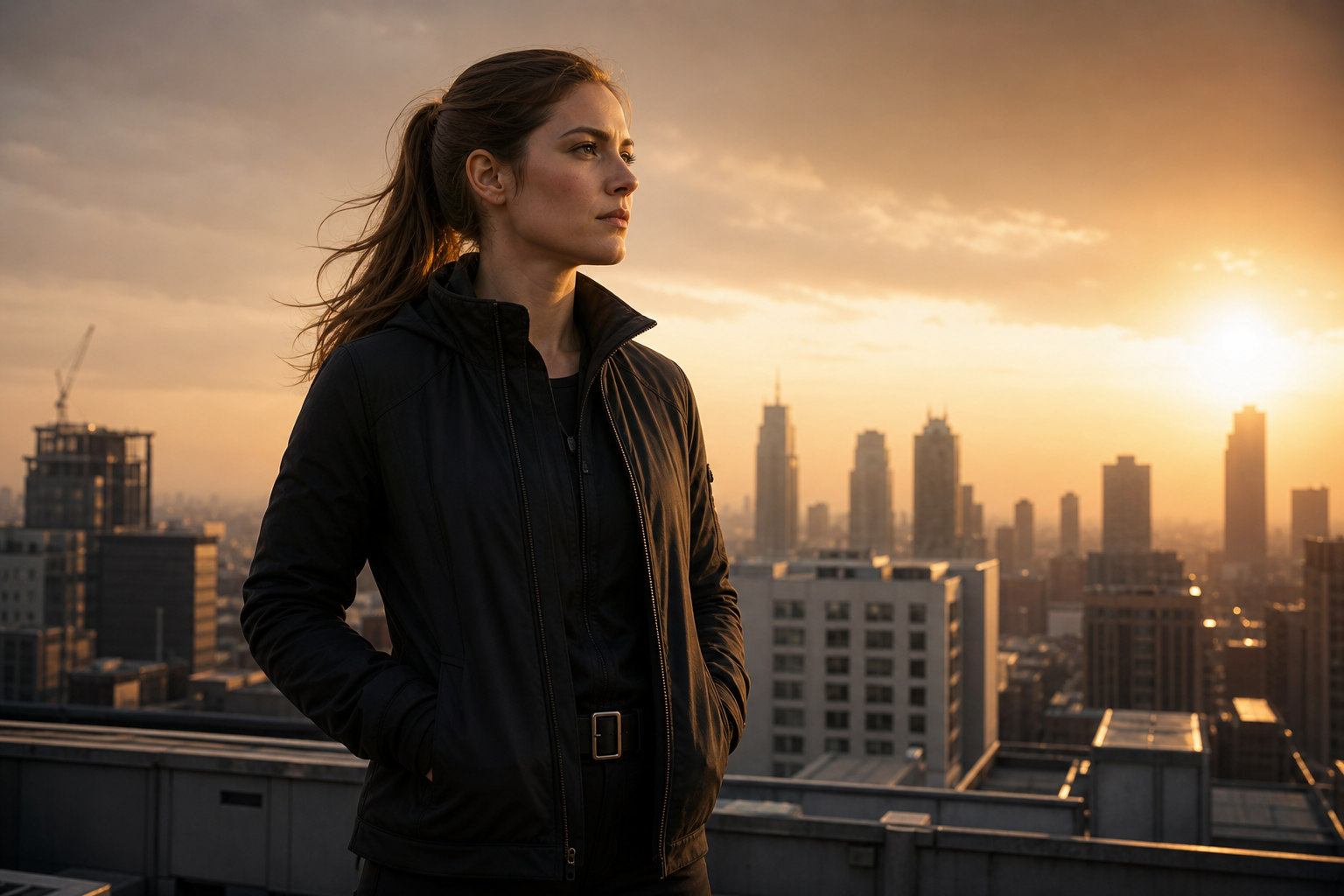
Prepared woman with emergency kit

Ready for Anything, Everyday β€” the goal every SurvivElle woman is working toward.

🎯 Don't Know Where You Stand? Find Out in 10 Questions.

The SurvivElle Archetype Quiz tells you exactly what kind of preparer you are right now β€” and what to do next based on your real level. Free. Takes 3 minutes.

Take the Free Quiz β†’
E
Elle β€” Founder, SurvivElle
Native New Yorker. 9/11 survivor. Blackout of '03 veteran. COVID late-starter turned full-time preparedness advocate. Real preparedness built by women, for women. Ready for Anything, Everyday!